
Highlights
- The people who regularly stress you out may be affecting more than your mood. They appear to speed up how fast your body ages
- Researchers found that each additional “hassler” in a person’s close social circle was linked to faster biological aging
- Difficult family relationships seemed to be especially harmful
- The more of these negative relationships a person had, the worse their mental and physical health, and more chronic illnesses they had
Key takeaways:
- Hasslers in our close social network are people who often cause problems, or make life more difficult
- Presence of even one hassler accelerated biological aging, increased inflammation and chronic illnesses
- The study suggests that healthy aging is not just about healthy diet, sleep, and exercise. It is also about healthy relationships
Can difficult people speed up aging?
Most of us think of aging in terms of lifestyle factors like diet, exercise, sleep, smoking, or alcohol. But this study published in the jouranl PNAS suggests another important factor deserves a place on that list: relationships.
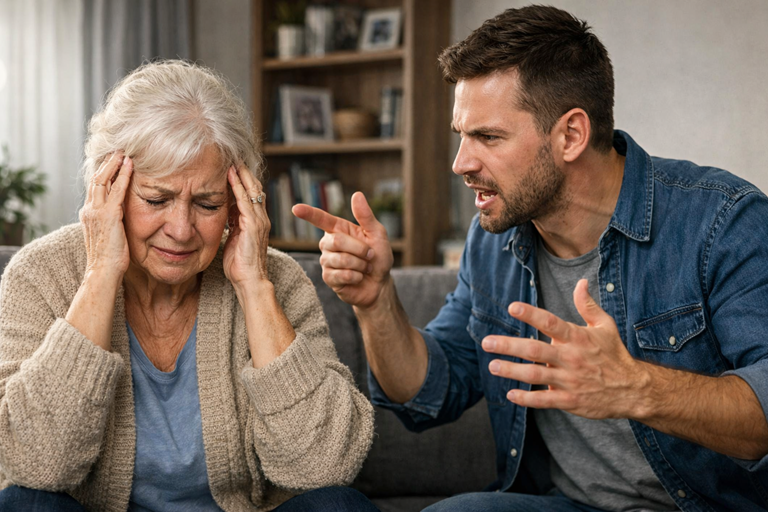
The researchers evaluated the effect of people they called “hasslers”, people in your close social circle who often create stress, cause problems, or make life more difficult. These are not strangers on the internet or occasional annoyances. They are people you actually know and interact with frequently.
The main question was simple: could these stressful relationships be linked to faster aging? The surprising answer from this study was yes. These negative relationships lead to faster aging, more inflammation and illnesses. And the more of these hasslers you have in your life, the faster you age!
A few bad relationships may matter more than we think
The researchers studied adults and compared their social relationships with measures of biological aging and other factors that lead to poor health and a shorter life (inflammation, chronic illnesses etc). They were asking whether a person’s body seemed older than expected for their actual age.
They found that negative social ties were not rare. Nearly 3 in 10 people had at least one person in their life who regularly caused them stress. Some had more than one.
The study found that:
- Each additional difficult person in someone’s close social circle was linked to faster biological aging: about 1.5% faster pace of aging by one method of measurement (DunedinPACE), and 9 months older by the second method (AgeAccelGrim2).
- People with even one hassler appeared biologically older than those without one
- Family members who caused ongoing stress were especially strongly linked to worse aging outcomes
- Stressful relationships outside the family also mattered, but family conflict seemed to cut deeper
- Intriguingly, spouse hasslers did not show the same clear detrimental association. The researchers thought it could be due to a mix of negative and positive exchanges.
That family finding makes intuitive sense. It is often easier to distance yourself from an unpleasant acquaintance than from a relative. When the stress keeps coming and the relationship is hard to escape, the body may end up paying the price.
Aging, inflammation and illness
This study was not only about feeling stressed or unhappy. People with more difficult relationships also tended to have worse health overall. Compared with people who had fewer or no hasslers, those with more negative ties tended to have:
- Worse mental health, more depression and anxiety
- More chronic health problems
- Higher body weight and waist size
- Signs of higher inflammation
So the message is not simply that stressful people make life unpleasant. The findings suggest that chronic relationship strain may become a whole-body burden over time.
One caveat, however, is that while the study found a strong link, it does not prove that difficult people directly cause faster aging. It is possible that some people who are already struggling with health or stress are also more likely to have difficult relationships around them.
Why this matters for healthspan
People interested in healthspan often focus on the usual tools: better diet, more exercise, good sleep, metabolic health, and the right supplements. While those things matter, this paper is a good reminder that the social environment matters too. And similar to the other tools, negative relationships should be a target of intervention for improving our healthspan.
Lee, B., Ciciurkaite, G., Peng, S., Mitchell, C., Perry, B.L. Negative social ties as emerging risk factors for accelerated aging, inflammation, and multimorbidity. PNAS. 2026;123(8):e2515331123. https://doi.org/10.1073/pnas.2515331123