
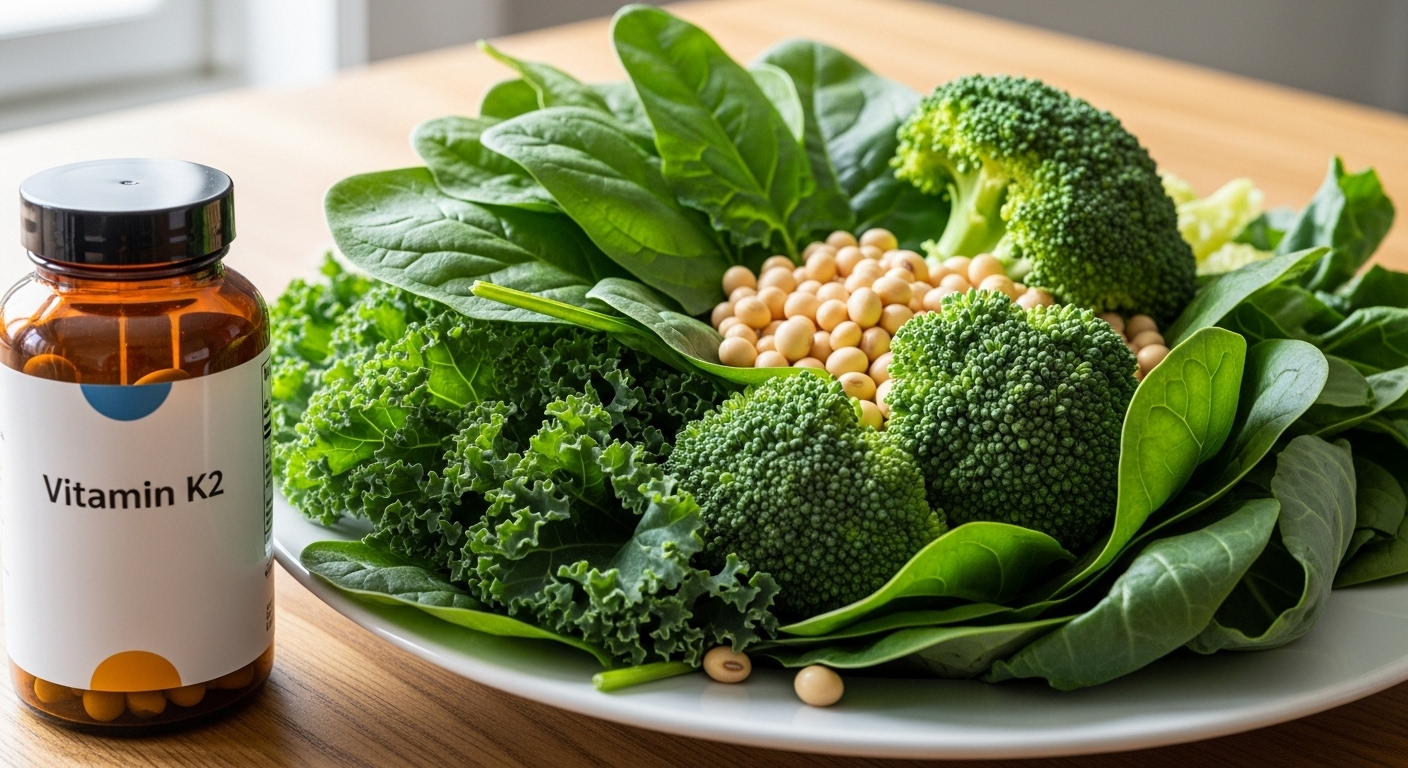
Highlights
- Vitamin K2 is critical for bone and cardiovascular health and for keeping inflammation under check
- Among its many forms, the MK-7 form is the most bioavailable and longest-lasting
- Clinical trials support roles of MK-7 in reducing vascular calcification and improving bone mineral density in chronic kidney disease and postmenopausal women
- NIH guidelines considers 120 µg/day for men and 90 µg/day for women both over 19 to be adequate
Vitamin K2 is essential for many enzyme functions in the body. It reduces inflammation, prevents bone loss, and is required for healthy blood vessels. The health benefits of Vitamin K2 in preventing or reducing the risk of many human chronic diseases such as, osteoporosis, cardiovascular disease, diabetes, cancer, Alzheimer’s disease, and peripheral nerve disorders.
The biology
Vitamin K2 is a family of vitamins of different side-chain length collectively known as menaquinones. The subtype menaquinone-7 (MK-7) is primarily derived from bacterial fermentation and is the most bioavailable and longest lasting. Physiologically, K2 serves as a cofactor (helper) for many enzymes including several key enzymes required for maintaining bone health, directing calcium to the bones and preventing bone loss.
In the blood vessels MK-7 enhances vasodilation and reduces oxidative stress, both key to maintaining vascular function. It also prevents dangerous calcium accumulation (calcification) of the blood vessel walls.
In mouse studies, MK-7 supplementation improved acetylcholine- and flow-induced vasodilation and boosted nitric oxide production both of which are essential for healthy blood vessel function. MK-7 prevented fatty liver disease and reduced body fat in mice given a high fat diet. It also improved memory and blood vessel calcification (hardening).
Clinical Evidence
Several human clinical trials point to the beneficial effects of MK-7 supplementation. Multiple trials in postmenopausal women have shown that MK-7 improves bone mineral density and improved bone strength. In
Vitamin K dependent proteins, specifically a protein called matrix Gla protein (MGP) plays a key role in preventing blood vessel calcification (hardening). Reduced function of this protein leads to stiffening of major blood vessels and heart valves. In fact, one of the most widely used blood thinner drugs in the past Warfarin, belongs to a class of drugs called Vitamin K Antagonists. This drug has been known to accelerate blood vessel and heart valve calcification.
Supplementation
Guidelines for taking Vitamin K2 from the NIH-ODS:
| Age | Male | Female | Pregnancy | Lactation |
|---|---|---|---|---|
| Birth to 6 months | 2.0 mcg | 2.0 mcg | NaN | NaN |
| 7–12 months | 2.5 mcg | 2.5 mcg | NaN | NaN |
| 1–3 years | 30 mcg | 30 mcg | NaN | NaN |
| 4–8 years | 55 mcg | 55 mcg | NaN | NaN |
| 9–13 years | 60 mcg | 60 mcg | NaN | NaN |
| 14–18 years | 75 mcg | 75 mcg | 75 mcg | 75 mcg |
| 19+ years | 120 mcg | 90 mcg | 90 mcg | 90 mcg |
Top food sources of Vitamin K2:
Natto (fermented soybeans), and leafy greens such as collards, spinach, turnip greens, kale, and broccoli are great natural sources of Vitamin K2.
Safety
Clinical studies have tested the safety of Vitamin K2 (MK-7) and found it to be safe at daily doses as high as 45mg per day for two years. Vitamin K2 however is contraindicated for people taking a class of blood thinners called Vitamin K antagonist drugs (e.g. Warfarin or Coumadin). Also, for patients receiving dialysis for kidney disease, excessive Vitamin K2 can have a harmful effect and should be avoided.WebMD and NIH-ODS.